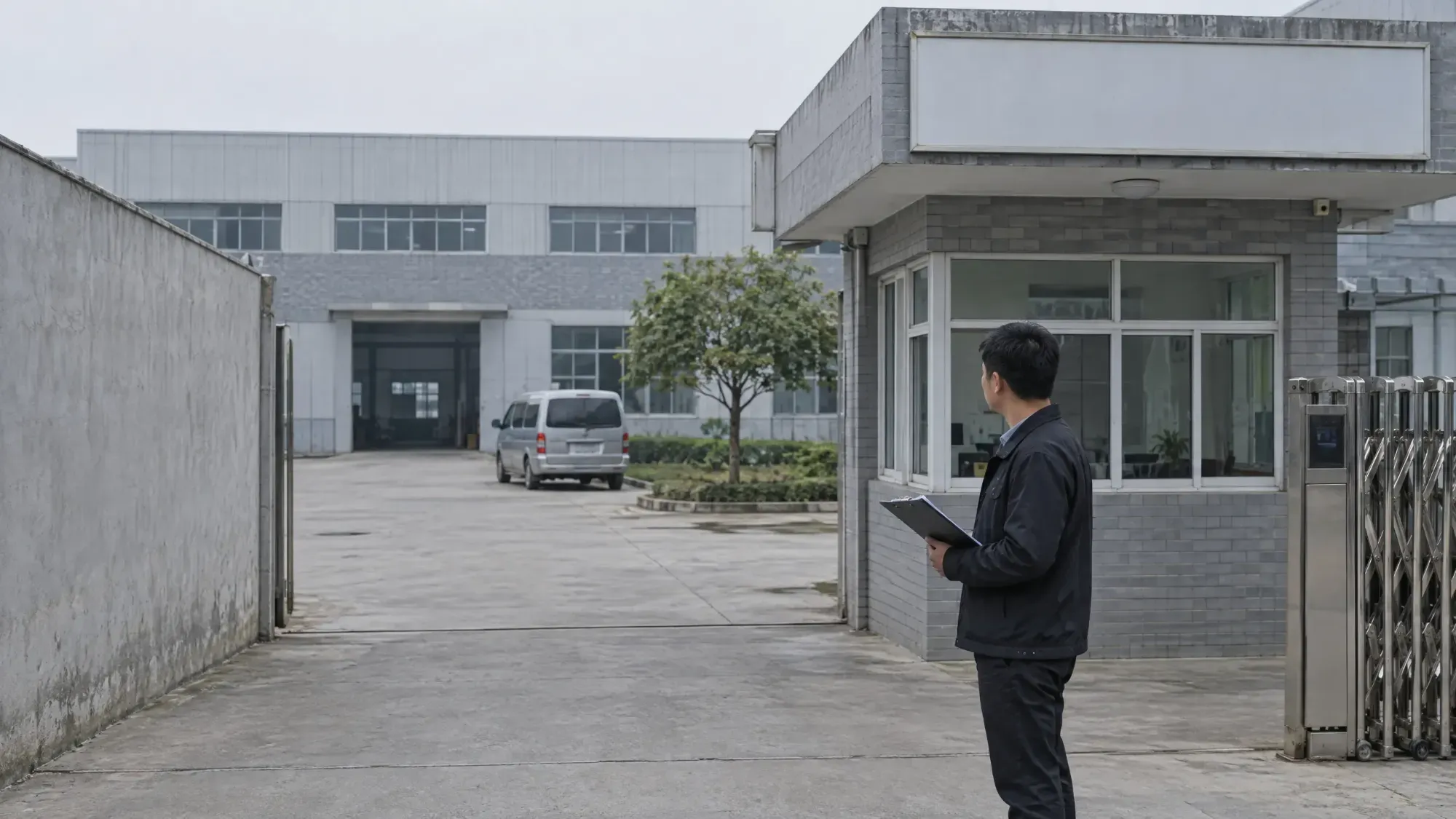

A supplier on Alibaba has a polished storefront, a “factory tour” video and a price 15% below everyone else. Their sales rep answers within minutes and sends a proforma invoice asking for a 30% deposit. Before you send it, you can confirm in under an hour whether the company exists, whether it makes what it says it makes, and whether the bank account belongs to it.
Most supplier fraud isn’t sophisticated. It relies on buyers skipping checks that are free. This guide walks through them in order, from the desk checks anyone can do to the on-site audit worth paying for before a big first order.
The ten checks at a glance
- Get the business licence
A clear photo or scan of the 营业执照. Every company has one.
- Read the credit code
The 18-character unified social credit code identifies the company.
- Check the national registry
Same name, same code, status active, legal representative matches.
- Check the business scope
It should cover making (生产) your product, not only selling it.
- Check age and capital
How long it has existed, and how much registered capital is paid in.
- Match the bank account
The account name must be the company on the licence.
- Verify test reports
Check the report number with the lab that issued it.
- Ask for references and export history
Buyers in your market, and products shipped there.
- Visit or audit the factory
Confirm the address, the production lines and the capacity.
- Order samples from the production line
Not from the showroom.
Read the business licence
Every Chinese company has a business licence (营业执照, yingye zhizhao). Ask for it early. A real supplier sends it without fuss; reluctance at this stage tells you something.
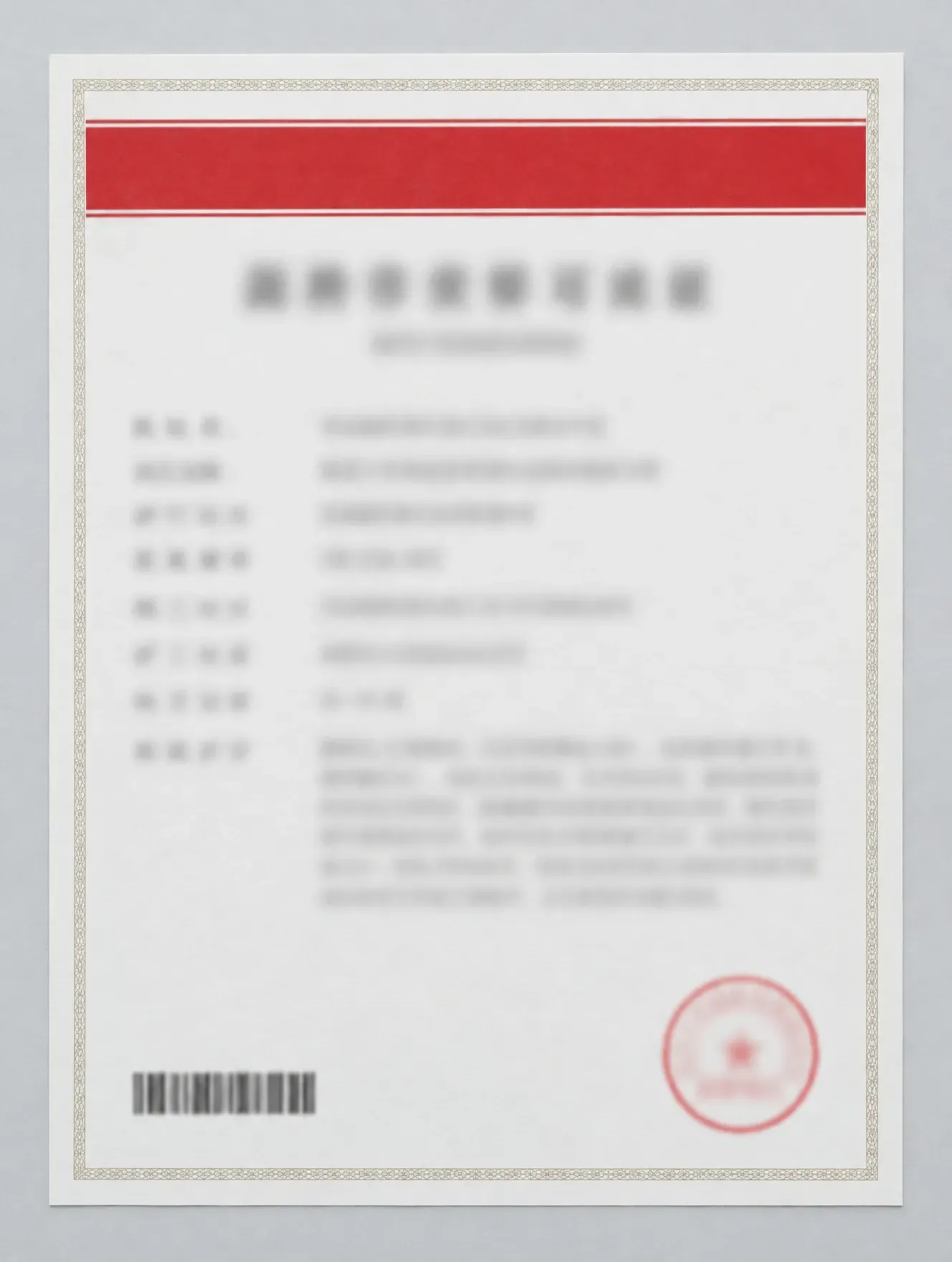
| Field | Chinese label | What to check |
|---|---|---|
| Company name | 名称 | The Chinese name. It must match the registry, the contract and the bank account exactly. The English name on a website has no legal standing. |
| Unified social credit code | 统一社会信用代码 | 18 characters. Use it to search the registry. |
| Company type | 类型 | For example a limited liability company (有限责任公司). |
| Legal representative | 法定代表人 | The person legally responsible. Should match the registry. |
| Business scope | 经营范围 | Look for production or manufacturing (生产, 制造) of your product type, not only sales (销售) or trading (贸易). |
| Registered capital | 注册资本 | The amount shareholders committed. Compare with what is paid in on the registry. |
| Date established | 成立日期 | A company set up months ago claiming “15 years’ experience” needs explaining. |
| Registered address | 住所 | Compare with the factory address you are told to visit. |
| QR code | 二维码 | Scan it: it should open the company’s record on the national registry. |
How the credit code works
The code isn’t random. Take ours, 91440300595694653B:
- 9 means it is registered with the market regulator;
- 1 means it is a company;
- 440300 is the region code for Shenzhen;
- 595694653 is the company’s original organisation code;
- B is a check character calculated from the rest.
A code with the wrong length, or a region code that doesn’t match the city the supplier claims, is a reason to stop and ask.
Check the national registry
China’s official company registry is the National Enterprise Credit Information Publicity System at gsxt.gov.cn. Search by the credit code or the Chinese name, then compare the record with the licence.
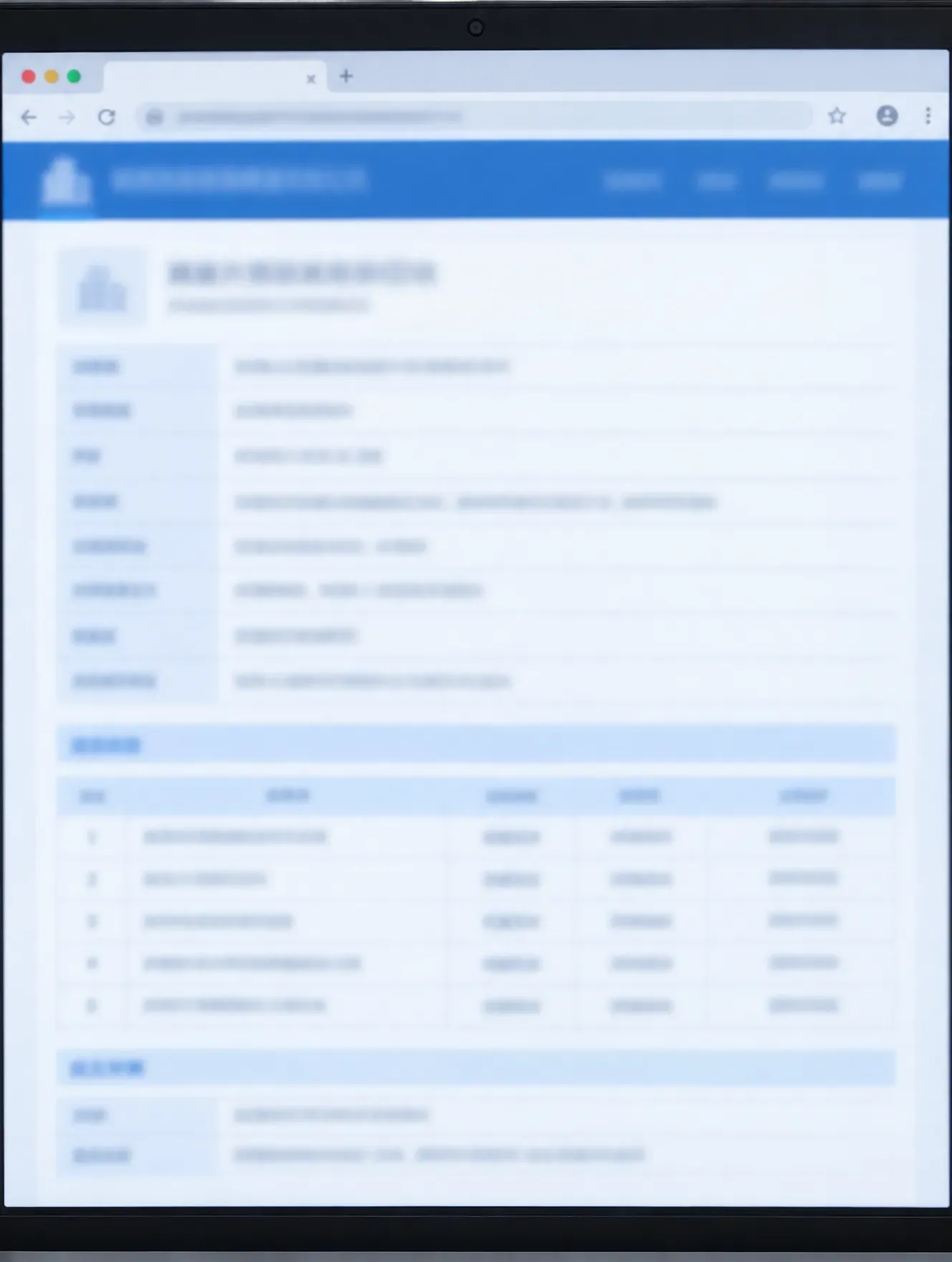
On the record, check:
- Status: active (存续 or 在业). Deregistered (注销) or revoked (吊销) means stop.
- Abnormal operations list (经营异常名录): companies land here for missed annual reports or not being found at their address. One old entry since removed is common; a current one is a warning.
- Annual reports: filed every year, with headcount and sometimes social insurance figures that show how many staff it really employs.
- Registered and paid-in capital. Under China’s revised Company Law, from July 2024 shareholders must pay registered capital in full within five years. Very low paid-in capital against a large order value is worth a question.
The site can be slow or unreachable from outside mainland China. Commercial databases such as Qichacha (企查查) and Tianyancha (天眼查) show the same registry data with search in English. A sourcing agent or verification service can pull and translate the record for you.
Match the bank account to the licence
This check prevents the most expensive mistakes. The account you pay should be a corporate account in the exact Chinese company name on the licence.
Be careful with:
- a personal account in the name of the sales rep or the owner;
- a Hong Kong or offshore company that isn’t on the licence;
- a different mainland company described as “our finance company” or “our sister company”;
- an email changing the bank details, especially just before a payment is due.
There can be legitimate reasons for some of these. Ask for the explanation in writing, check the other company on the registry too, and confirm any change of bank details by phone with someone you have spoken to before. Email accounts get hacked, and fake “new bank details” emails are among the most common frauds in China trade.
Check test reports and certificates
Ask for test reports for the safety standards your product needs in the UK or EU. Then check that:
- the product name and model number on the report match what you are buying;
- the applicant or manufacturer on the report is this company, or a factory it can name;
- the test standard and date are current for your market;
- the report number checks out with the issuing lab. Most large labs let you verify a report on their website or by email.
A report for a similar product, a different model or another company doesn’t cover your goods.
Ask about exports and references
A supplier already shipping to the UK or EU usually understands labelling, testing and packaging rules there. Ask:
- which markets it exports to, and what share of its output goes there;
- for one or two references in your region you can contact;
- whether it exports in its own name or through an export agent. Many smaller factories use an agent, which is fine when they tell you.
Visit or audit the factory
Desk checks confirm the company exists. Only a visit confirms the factory does, at the address on the licence, with the machines, staff and capacity to make your order.
An on-site audit typically covers:
- the address and premises against the licence;
- production lines and equipment for your product type;
- capacity against your quantity and lead time;
- quality control: incoming material checks, in-line checks, final inspection;
- staff numbers and basic working conditions.
For a first order you can afford to lose, the desk checks may be enough. For a large order, custom tooling or a long-term supplier, an audit costs far less than the problem it prevents. Our supplier verification service does both: a desk check, and an on-site audit when you need one.
Red flags that should stop you
- The licence name, the contract name and the bank account name don’t all match.
- The registry shows the company as deregistered, revoked or currently listed for abnormal operations.
- The business scope covers trading only, but the supplier insists it is the factory.
- The supplier refuses a video call from the production floor or a visit.
- The price is far below every other quote for the same specification.
- Pressure to pay quickly, or to pay a personal account “to save tax”.
The bottom line
Get the business licence, check the credit code on the national registry and confirm the company is active and makes your type of product. Pay only a corporate account in the exact licensed name, and confirm any change of bank details by phone. Verify test reports with the lab that issued them, and audit the factory before a large or custom first order. These checks cost little, and the scams they prevent are common.
If you want the checks done in Chinese, on the ground, send us the supplier’s details and we will tell you what we find.
Questions we get asked
How do I check if a Chinese company is real?
Search its unified social credit code or Chinese name on the National Enterprise Credit Information Publicity System (gsxt.gov.cn). The record shows the registered name, legal representative, address, business scope, registered capital and whether the company is active. The site can be hard to reach from outside China, so commercial databases such as Qichacha and Tianyancha, or a local verification service, are common alternatives.
What is a unified social credit code?
It is the 18-character registration number every Chinese company has had since 2015 to 2016, printed on its business licence. It replaced the separate registration, organisation and tax numbers. The same code appears on invoices, contracts and customs export records, so it ties all of them to one company.
Is an Alibaba Verified Supplier safe to use?
The badge shows the supplier paid for a membership and passed checks by Alibaba or a third party. It is useful, but it doesn't confirm product quality, that the company is a factory, or that the person you are talking to works there. Run the same checks as for any other supplier.
Is it a problem if the supplier is a trading company?
Not always. Many good trading companies manage factories well. The problem is not knowing, because you pay a margin and lose direct control over production. Our guide to telling a factory from a trading company covers the signs.
Should I pay a supplier's personal or Hong Kong bank account?
Only with a clear explanation you can verify. The safest rule is to pay a corporate account in the exact name on the business licence. Treat any last-minute change of bank details by email as fraud until you have confirmed it by phone with someone you already know.