Choosing how to ship
| Mode | Best for | Typical transit |
|---|---|---|
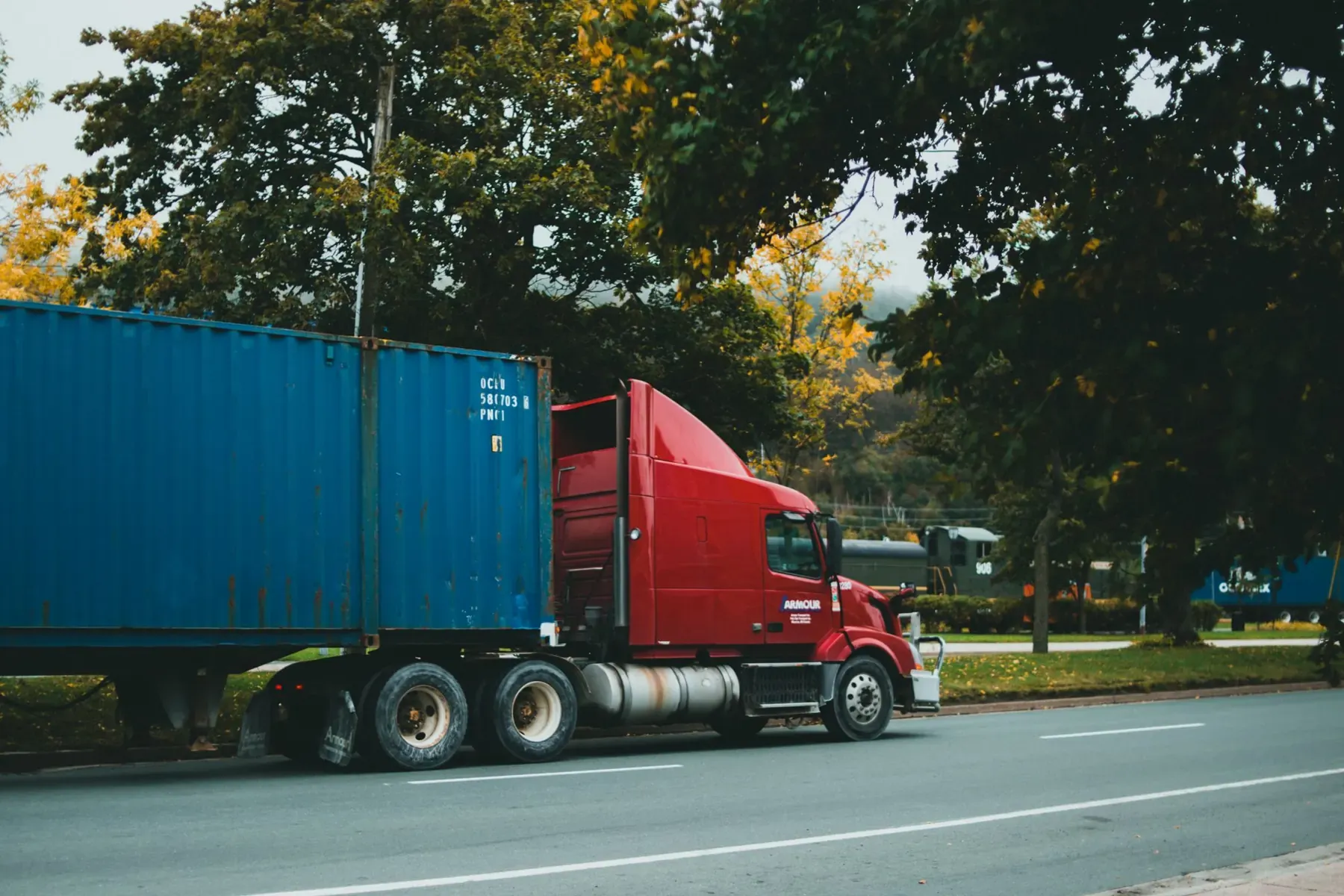
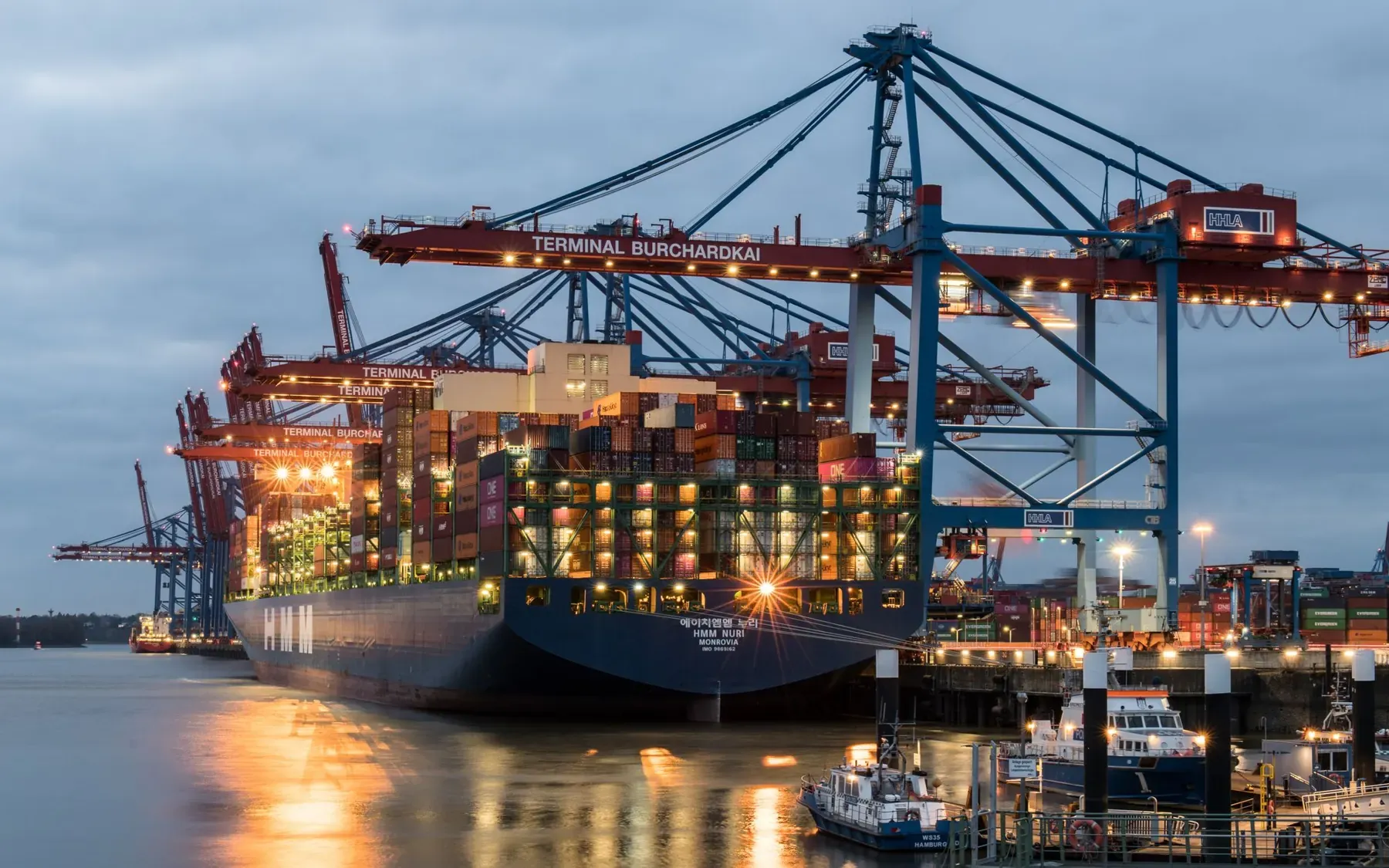
| Sea, LCL (shared container) | From about 2 to 15 cubic metres | 30 to 45 days |
| Sea, FCL (your own container) | Above about 15 cubic metres, or heavy goods | 28 to 40 days |
| Rail (China to Europe) | Mid-sized, time-sensitive cargo | 18 to 25 days |
| Air freight | Urgent, light or high-value goods | 5 to 10 days door to door |
| Express courier | Samples and small parcels | 3 to 7 days |
Transit times are typical port-to-port ranges to the UK and northern Europe, before customs clearance and final delivery, and they change with the season, port congestion and routing. We quote each option for your actual cargo so you can compare landed cost against the date you need stock.
LCL or FCL?
LCL is charged by volume (per cubic metre) plus fixed handling fees at both ends. FCL is a flat price per container. Somewhere around 13 to 15 cubic metres, a 20-foot container often costs about the same as LCL and moves faster through ports, with less handling. We run the numbers for each shipment.
Consolidation: one shipment from several suppliers
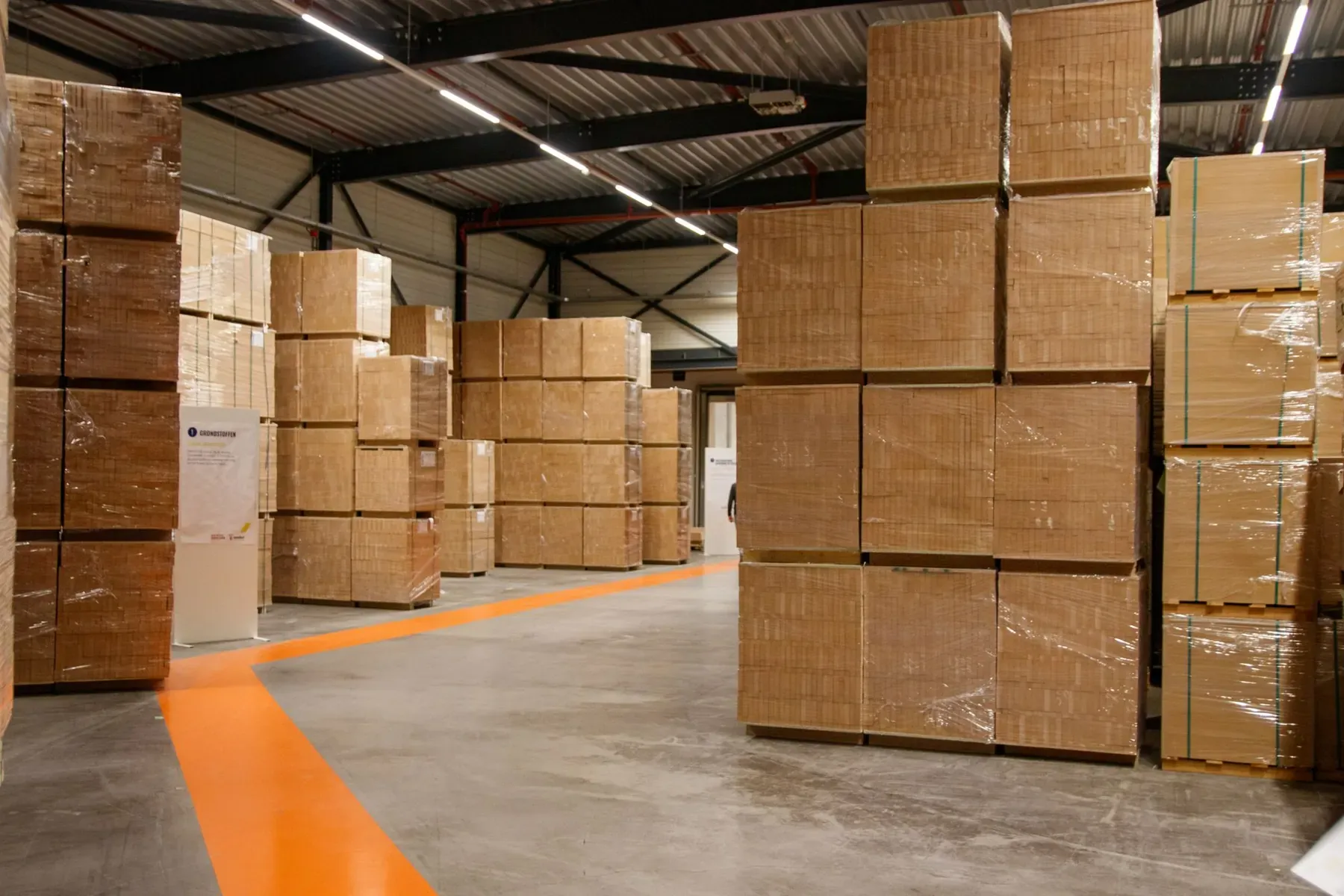
If you buy from more than one factory, each separate shipment pays its own minimum charges, documents and clearance fees. We collect from each supplier into our Shenzhen facility, check carton counts and condition, label everything consistently and ship once. Fewer shipments means fewer fees and one set of customs paperwork.
Incoterms in plain English
- EXW (Ex Works): you collect from the factory door. You handle export clearance.
- FOB (Free On Board): the factory delivers to the ship at the Chinese port. The most common term for sea freight.
- CIF: the factory pays freight and insurance to your port, but you have less control over the forwarder and the destination charges.
- DDP (Delivered Duty Paid): the seller delivers to your door with duties paid. Convenient, but check who is the importer of record and whether VAT can be reclaimed.
Documents
We prepare the commercial invoice, packing list and shipping marks, and pass the bill of lading or air waybill to your customs broker. Accurate product descriptions and commodity codes on the invoice prevent delays and wrong duty rates at the border.
Importing into the UK
You need a GB EORI number before goods arrive. Your customs broker submits the import declaration through HMRC’s Customs Declaration Service. You pay customs duty based on the commodity code (rates for China are set by the UK Global Tariff) and 20% import VAT, which VAT-registered businesses can usually reclaim.
Importing into the EU
You need an EU EORI number and a customs broker in the country of import. Since 1 July 2026 the EU no longer exempts low-value parcels from customs duty, and an interim €3 duty applies per item type in small B2C parcels. For many sellers this makes consolidated bulk shipments to an EU warehouse cheaper per unit than parcels sent direct from China.
Insurance
Carrier liability for lost or damaged cargo is limited. We recommend cargo insurance for anything you can’t afford to lose, and arrange it on request.