Why inspect before the balance
Most China orders are paid in two parts: a deposit before production and a balance before shipment. The balance is your last point of leverage. An inspection at that moment gives you evidence, photos and measurements, while the factory still wants to be paid and the goods are still on its premises.
Factory QC matters, but it reports to the factory. An independent inspection checks the goods against your approved sample and specification, and reports to you.
The four inspection points
- Pre-production inspection: checks raw materials and components before production starts. Useful for new suppliers or products where material substitution is a risk.
- During production inspection: carried out at around 20 to 50% completion, so problems can be corrected while most of the order is still unmade.
- Pre-shipment inspection: the most common check. Carried out when goods are finished and at least 80% packed.
- Container loading check: confirms the right goods, quantities and carton condition as the container is loaded and sealed.
How AQL sampling works
Inspectors don’t check every unit. They pull a random sample using the AQL tables in ISO 2859-1. The sample size depends on the order quantity, and the acceptance limits depend on the AQL levels you set for each defect class:
- Critical defects (unsafe or illegal): usually zero tolerance.
- Major defects (the product won’t sell or work as intended): commonly AQL 2.5.
- Minor defects (cosmetic issues a customer may notice): commonly AQL 4.0.
As an example, a lot of 1,201 to 3,200 units at general inspection level II gives a sample of 125 units. At AQL 2.5 the lot passes with up to 7 major defects in that sample.
What the inspector checks
- appearance and workmanship against the golden sample
- function and safety tests appropriate to the product
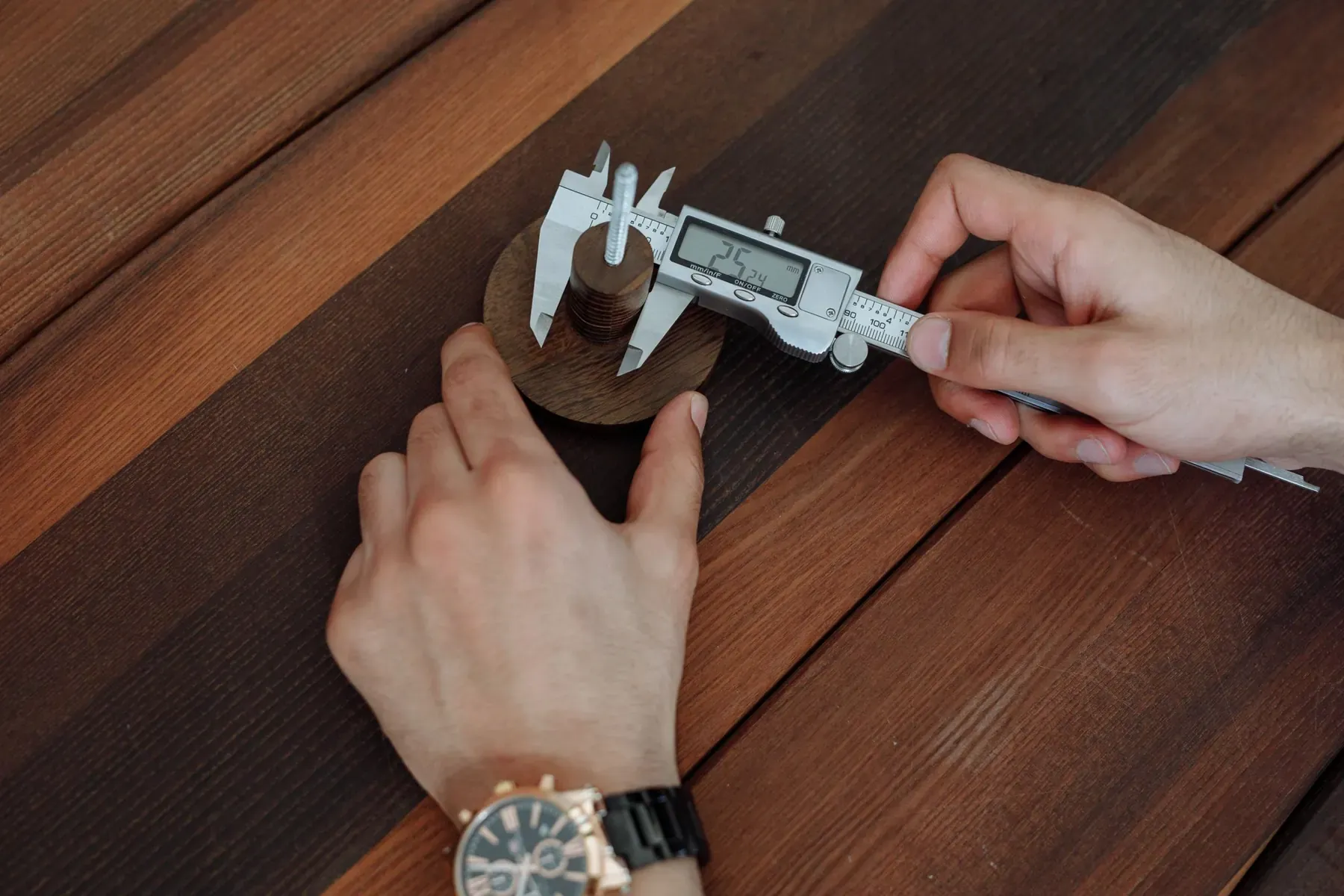
- dimensions, weight and colour
- packaging, labels, barcodes and shipping marks
- carton drop test and carton dimensions
- quantity packed against the order
What you receive
A report with every defect photographed and classified, measurements, carton checks and a clear result: PASS, HOLD (pending your decision) or FAIL. You decide whether to release the balance, ask for rework, or accept with a discount.
When an inspection fails
You hold the balance. The factory sorts, reworks or replaces the defective goods, and the inspector returns to re-inspect. Agreeing in the purchase contract who pays for re-inspection saves an argument later.
UK and EU: check the labels too
Inspections are the right moment to confirm UK or EU-specific requirements: CE or UKCA marking where applicable, importer name and address, warning labels, and language requirements for the countries you sell in. Fixing a label in the factory takes hours. Fixing it in a warehouse takes weeks.