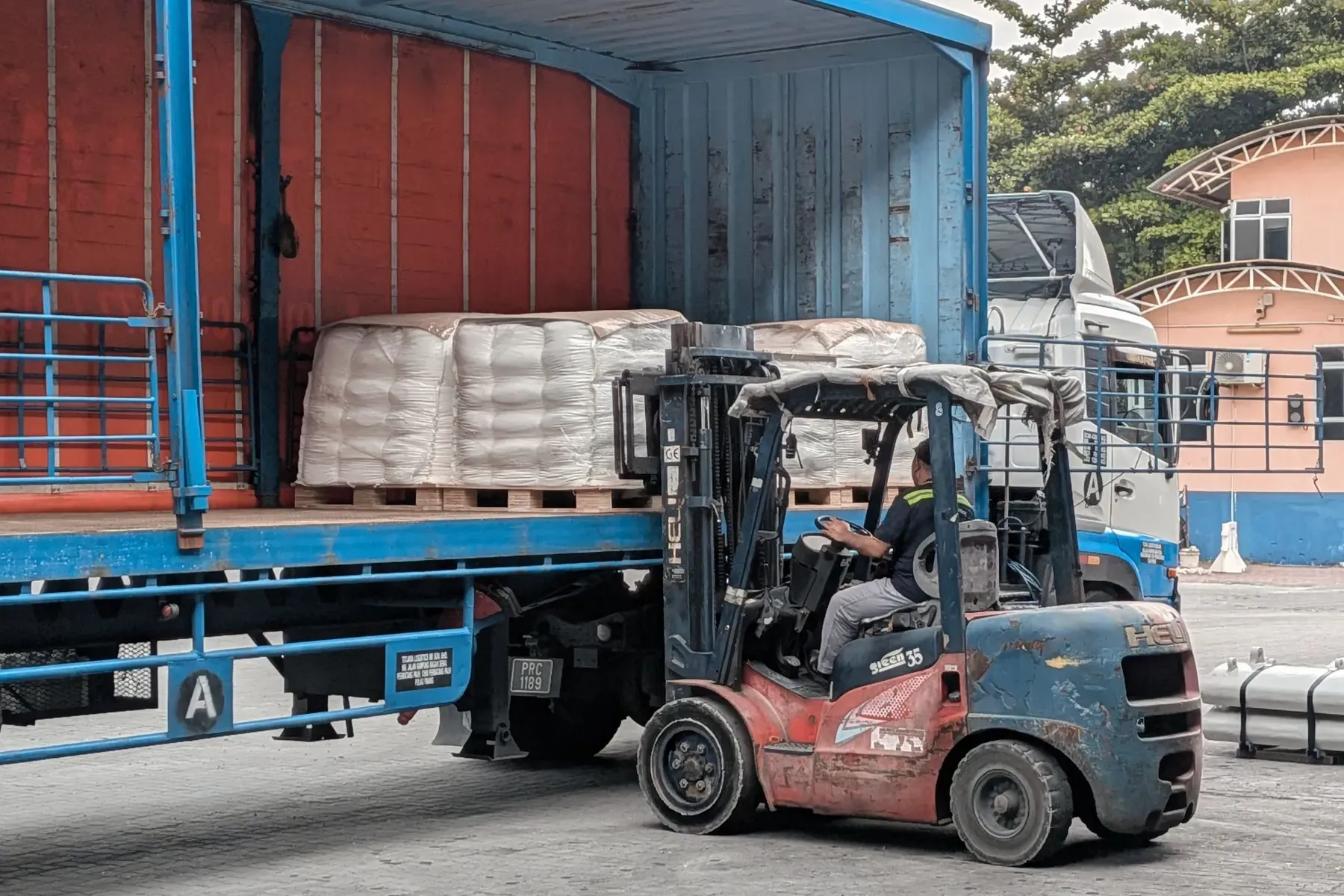

A buyer books 3 cubic metres of sea freight on the factory’s estimate. The cartons arrive at the port a week late and 40% bigger than promised. The booking misses its sailing, the forwarder re-quotes at the new volume, and the stock lands in the UK three weeks after the marketplace listing went live.
Nothing in that story is unusual, and none of it is about the ship. Most shipping problems from China start before the goods leave the factory: the wrong mode for the deadline, the wrong measurements, or paperwork that doesn’t match the goods. This guide covers how to choose the mode, how each one is priced, and what to get right before you book.
The four ways to ship, at a glance
| Mode | Door to door, China to the UK | Priced by | Best for |
|---|---|---|---|
| Sea freight, full container (FCL) | About 35 to 50 days | Per container (20ft, 40ft, 40ft high cube) | Orders of roughly 13 cubic metres and up |
| Sea freight, shared container (LCL) | About 40 to 55 days | Per cubic metre, minimum 1 | Smaller stock orders that aren’t urgent |
| Rail through Europe | About 3 to 4 weeks | Per container or per cubic metre | Mid-sized orders that need to beat the sea |
| Air freight | About 5 to 8 days | Per chargeable kilogram | Urgent, light or high-value goods |
| Express courier | About 3 to 7 days | Per chargeable kilogram, door to door | Samples and small parcels |
Market ranges in October 2026. Since mid-2026 several carriers have moved Asia to Europe services back through the Suez Canal, while others still sail round the Cape of Good Hope, so sea transit times depend on the service you book.
Sea freight: the default for stock
Most stock from China comes by sea because nothing else gets close on cost per unit. Containers sail from Shenzhen (Yantian and Shekou), Ningbo, Shanghai and Xiamen to Felixstowe, Southampton or London Gateway.
Full container or shared?
FCL (full container load) means the container is yours. It is sealed at the factory or our warehouse and opened at your end. Forwarders quoted roughly US$2,800 to US$4,600 for a 40ft container from Shanghai or Ningbo to Felixstowe through 2026, before UK port charges, delivery, duty and VAT. A 20ft container holds about 28 to 33 cubic metres (CBM), a 40ft about 58 to 67 and a 40ft high cube about 68 to 76.
LCL (less than container load) means your cartons share a container with other shippers. You pay per CBM, plus handling at a consolidation warehouse at each end. It takes longer, because the container waits to fill and is unpacked before your goods are released.
LCL looks cheaper on small shipments, and it is. But the per-CBM price, plus handling charges at both ends, means that somewhere around 13 to 15 CBM a 20ft container often costs the same or less. Your goods are also handled less. Ask for both quotes when you are near that size.
What the sea freight price leaves out
An ocean rate covers the voyage. Your total also includes:
- collection from the factory and Chinese export clearance (included if you buy FOB);
- UK terminal and port charges and the customs broker’s fee;
- the truck from the port to your warehouse;
- import duty and VAT, worked out on the goods plus freight to the UK border. Our UK import duty and VAT guide shows the calculation.
Air freight: when time costs more than freight
Air freight takes about 5 to 8 days door to door. Forwarders quoted roughly US$4.50 to US$9.00 per chargeable kilogram from Shanghai to London Heathrow through 2026, depending on weight band, airline and season.
Airlines charge on chargeable weight: the higher of the actual weight and the volumetric weight. For air freight, volumetric weight is usually:
length × width × height (cm) ÷ 6,000, per carton
A carton of 60 × 40 × 40 cm has a volumetric weight of 16 kg. If it weighs 18 kg, you pay for 18 kg. If it is full of pillows and weighs 6 kg, you still pay for 16. That is why light, bulky goods almost never fly.
Air suits restocks to avoid a stock-out, launches with a fixed date, and small, valuable goods such as electronics accessories or cosmetics samples. Batteries and some chemicals need dangerous-goods paperwork and a carrier that accepts them, so tell us early.
Rail: the middle option
Trains run from Chinese hubs such as Xi’an, Chongqing and Yiwu to Duisburg, Małaszewicze and other European terminals. For the UK, the goods finish the trip by truck and ferry or the Channel Tunnel. Door to door it takes around 3 to 4 weeks.
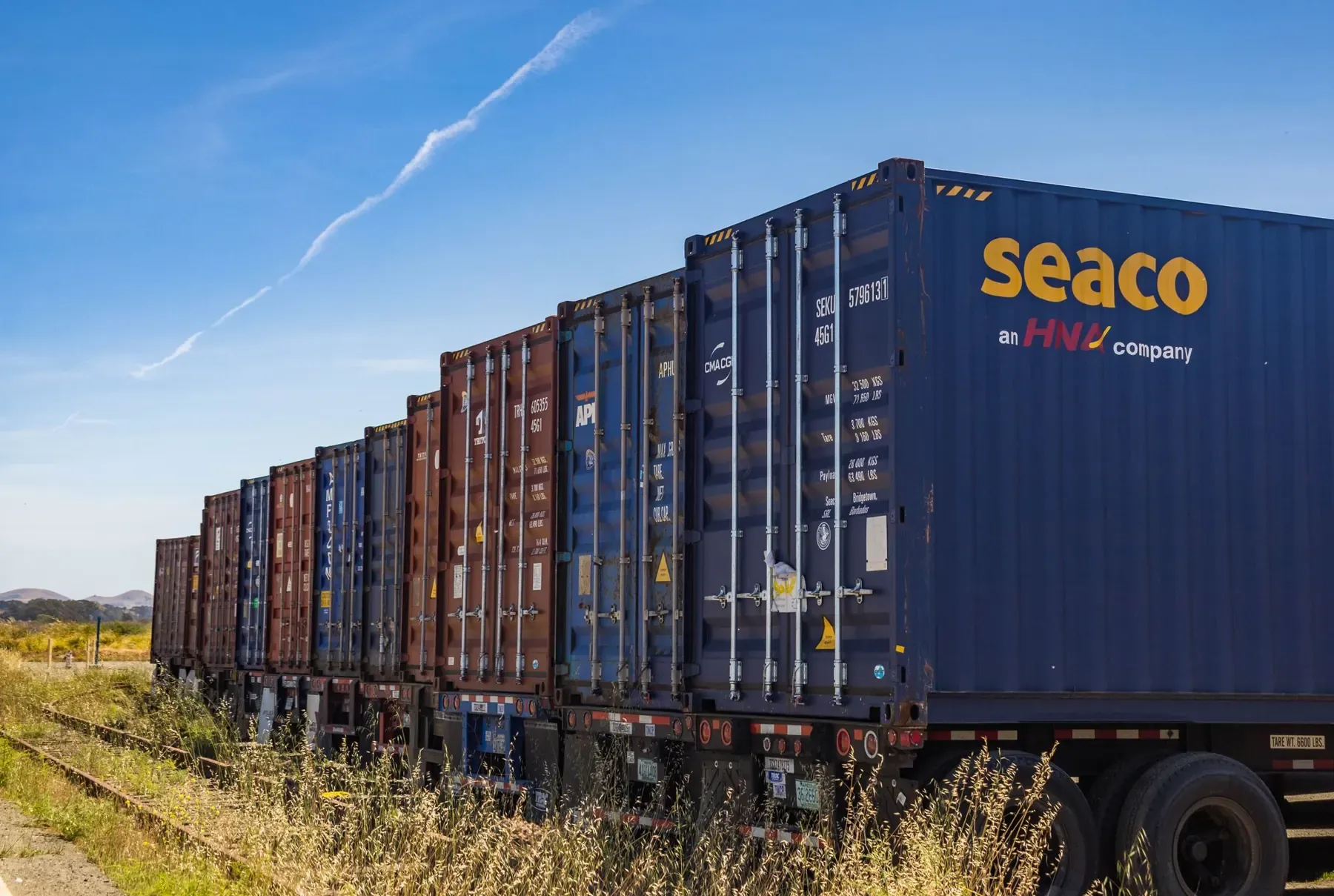
Rail costs more than sea and much less than air. It works for mid-sized orders where four weeks fits the plan and seven doesn’t. Capacity and prices vary with demand on the route, so quote it alongside sea and air rather than assuming.
Express courier: samples, not stock
DHL, FedEx and UPS deliver door to door in about 3 to 7 days and clear customs for you. They usually calculate volumetric weight by dividing by 5,000, not 6,000, so bulky parcels cost more than by air freight. Use couriers for samples, documents and urgent small parcels. For anything more than a few cartons, air freight through a forwarder is usually cheaper.
Measure before you book
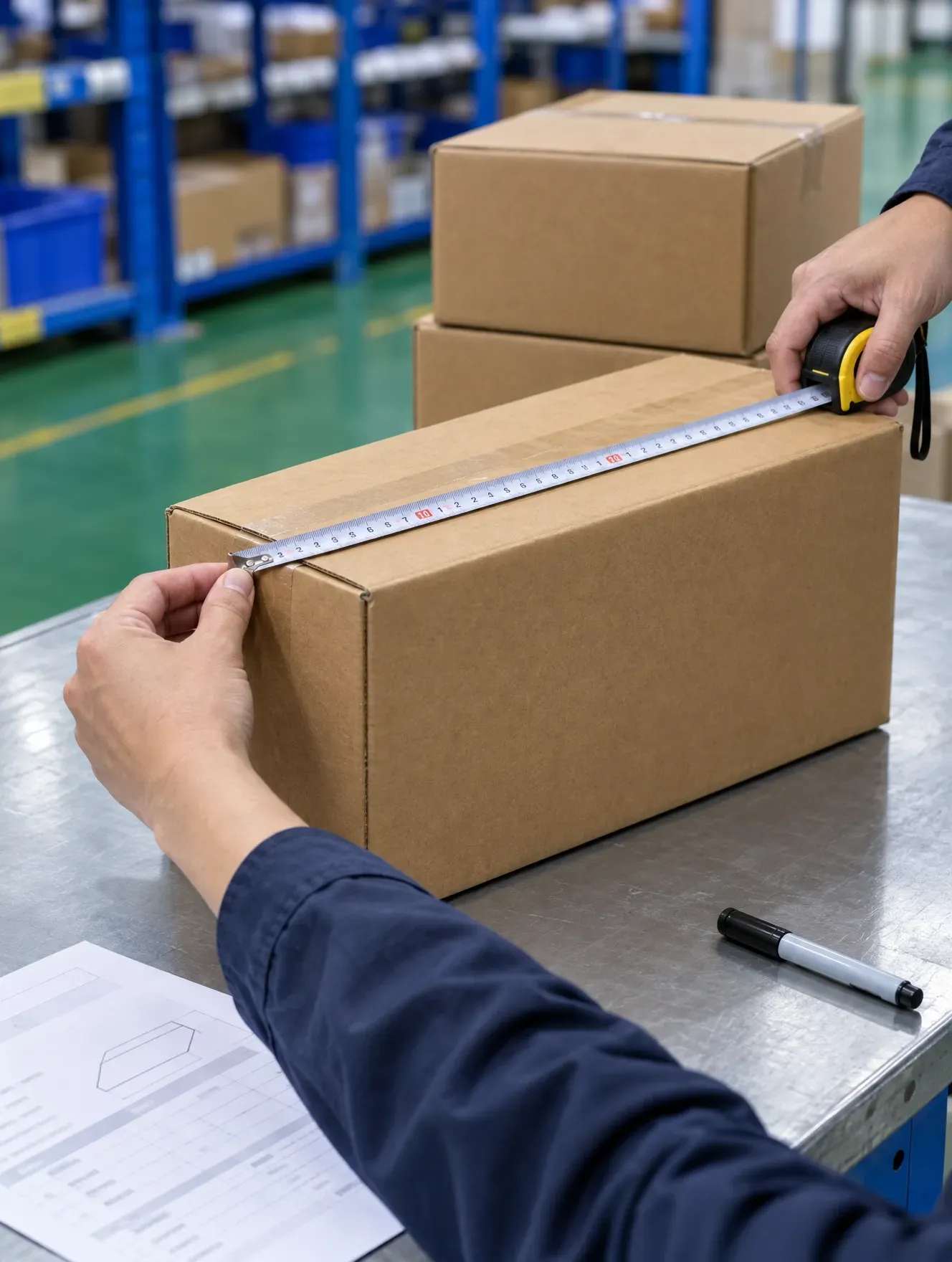
Freight is priced on carton dimensions and gross weights. A factory’s estimate made before packing is often wrong by a carton or two per pallet, which matters most on air freight and on LCL near a price break.
- Get the packing list
Carton count, dimensions and gross weight per carton, from the factory once goods are packed.
- Work out CBM and chargeable weight
CBM = L × W × H in metres, per carton, times the carton count. Chargeable weight for air uses ÷ 6,000.
- Quote two modes
Compare cost per unit landed against the date you need stock, not the freight bill alone.
- Check the paperwork
Commercial invoice, packing list and commodity codes that match the goods in the cartons.
- Book against a ready date
Book once the goods have passed inspection, so a failed inspection doesn’t cost you a sailing.
The paperwork that keeps goods moving
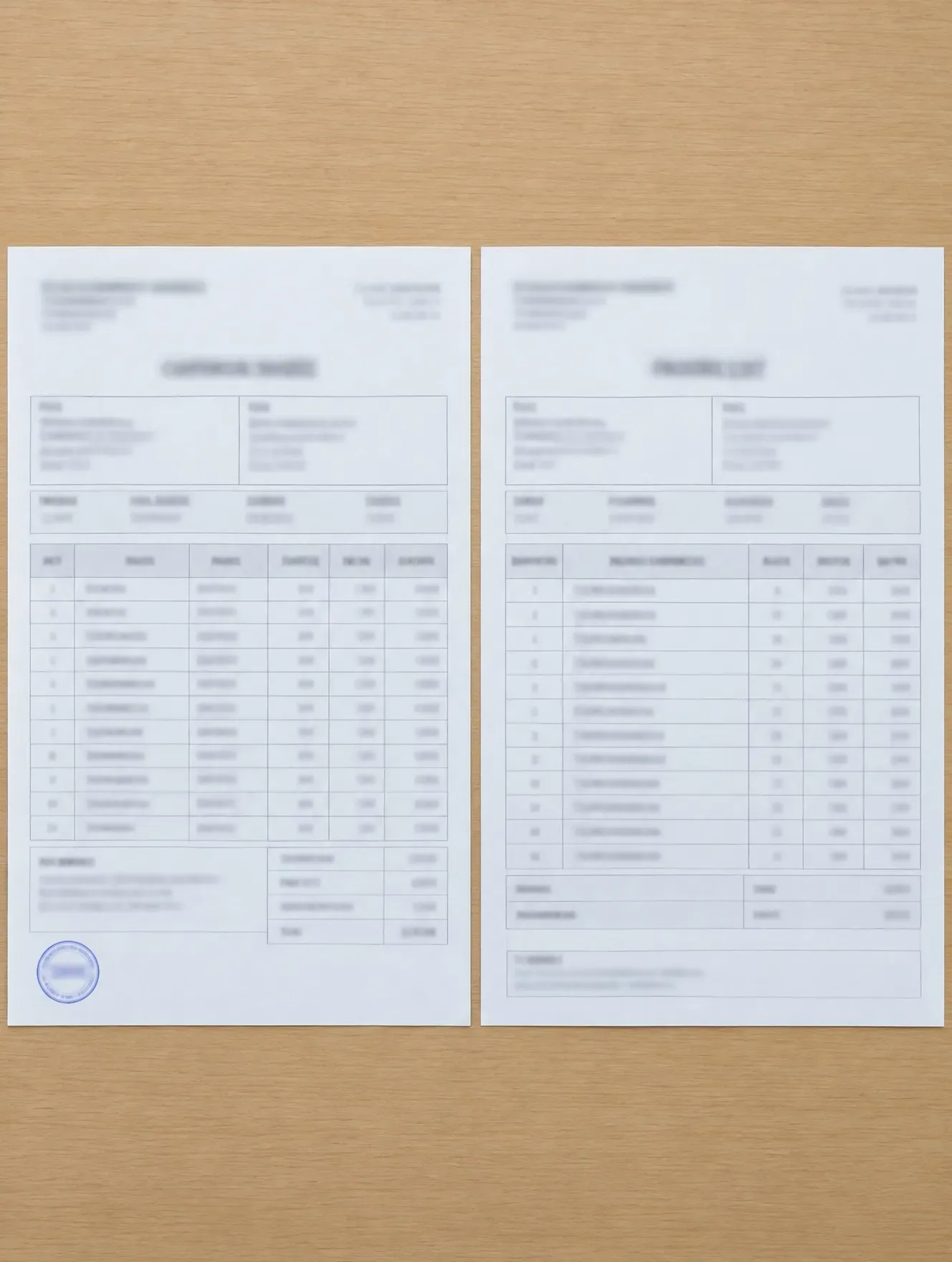
For a UK import you need:
- an EORI number starting with GB, in the importer’s name;
- a commercial invoice with the real price, the Incoterm and a description specific enough to classify;
- a packing list that matches the cartons;
- the bill of lading (sea) or air waybill (air);
- the commodity code for each product, which sets the duty rate.
Most holds come from mismatches: a weight on the packing list that doesn’t match the bill of lading, or a description so vague (“accessories”) that customs can’t classify it. Undervalued invoices are worse: they are customs fraud, and the importer carries the liability.
Which mode for which order
- First order, a few cartons, launch date flexible: LCL by sea, or air if the cartons are small and the date matters.
- Regular stock, 13 CBM or more: a full container by sea. Plan reorders around the 6 to 7 week cycle.
- Running low before Q4: split the order. Fly enough to cover the gap and send the rest by sea.
- Samples: express courier.
- Several suppliers on one order: consolidate in China first, then ship once. You pay for one booking, one customs clearance and one delivery.
The bottom line
Choose the mode by the date you need stock and the cost per unit landed, not the freight rate alone. Sea is the default for stock. Check whether a full container beats LCL once you pass about 13 CBM. Use air for urgent, light or valuable goods, rail when sea is too slow, and couriers for samples. Book on measured cartons, after inspection, with paperwork that matches the goods.
We collect from your suppliers, check and consolidate the cartons in Shenzhen and quote sea, air and rail side by side. Send us your packing list and we’ll show you the options.
Questions we get asked
How long does shipping from China to the UK take?
In October 2026, sea freight takes about 30 to 45 days port to port, plus a few days for customs and delivery. Air freight takes about 5 to 8 days, rail through Europe around 3 to 4 weeks, and express courier 3 to 7 days. Add time for collection from the factory and for Chinese export clearance.
How much does a container from China to the UK cost?
Forwarders quoted roughly US$2,800 to US$4,600 for a 40ft container from Shanghai or Ningbo to Felixstowe through 2026, before UK port charges, delivery, duty and VAT. Rates move every week with demand and routing, so get a current quote for your sailing date.
When is a full container cheaper than LCL?
Shared container (LCL) freight is priced per cubic metre, with extra handling charges at both ends. Once a shipment reaches somewhere around 13 to 15 cubic metres, a 20ft container often costs the same or less, and your goods aren't handled with anyone else's. Ask for both quotes when you are near that size.
What is chargeable weight for air freight?
Airlines charge on the higher of the actual weight and the volumetric weight. For air freight the volumetric weight is usually length × width × height in centimetres divided by 6,000, per carton. Express couriers usually divide by 5,000, which makes bulky parcels dearer.
Which UK port should my goods go to?
Felixstowe, Southampton and London Gateway take most container traffic from China. Pick the one that gives the best total cost and time to your warehouse, including the truck from the port, not just the cheapest ocean rate.