
The first order from China usually goes wrong in one of three places. The product arrives and doesn’t match the sample you approved. The freight quote turns out to cover half the journey. Or the goods sit at Felixstowe while someone works out who the importer is and what code they belong under, running up storage charges by the day.
None of these problems is hard to avoid. They come from doing the steps in the wrong order. Duty, VAT and product rules are decided by details you settle before you pay a deposit, not after the container lands. This guide takes the steps in the order that keeps your money safe, with the official sources linked at the end.
It covers imports into Great Britain (England, Scotland and Wales). Northern Ireland follows different rules, covered briefly below.
The import process at a glance
- Get a GB EORI number
Free from HMRC, usually issued straight away. No EORI, no customs declaration.
- Find the commodity code
The 10-digit code sets your duty rate, VAT rate and any licence or anti-dumping measures.
- Check the product rules
Safety marking, testing, your name and UK address on the product or packaging.
- Agree terms with the factory
Price basis (usually FOB), specification, payment schedule and an inspection before the balance.
- Book the freight
Sea, rail, air or express, with cargo insurance and accurate carton data.
- Clear UK customs
A customs broker submits your import declaration on HMRC's Customs Declaration Service.
- Pay duty and VAT, then deliver
Duty is paid at clearance; VAT can be postponed to your VAT return.
Step 1: Get a GB EORI number
An EORI (Economic Operators Registration and Identification) number identifies you to customs. Every commercial import declaration into Great Britain needs one, and it must belong to the business that is the importer.
You apply on GOV.UK. A UK business needs its Unique Taxpayer Reference, business start date, SIC code and VAT number if registered. HMRC usually issues the number immediately, but if it needs to make checks that can take up to 5 working days. Apply before your goods leave China, not when the broker asks for it.
If you are VAT registered, your EORI will normally be your VAT number with GB in front and 000 on the end.
Step 2: Find your commodity code and duty rate
Every product has a commodity code, and for imports into the UK it is 10 digits long. The code decides:
- the customs duty you pay;
- the VAT rate (20% for most goods);
- any anti-dumping or countervailing duty on goods from China;
- any licences or restrictions, for example on certain chemicals, food-contact items or weapons.
Look it up on the UK Trade Tariff. Here are current rates for some common product groups from China:
| Product | Commodity code | Duty from China |
|---|---|---|
| Cotton T-shirts | 6109 10 00 10 | 12% |
| Women’s jumpers, man-made fibres | 6110 20 99 00 | 12% |
| Porcelain tableware | 6911 10 00 90 | 12% |
| Men’s leather footwear | 6403 99 36 00 | 8% |
| Handbags, plastic sheeting | 4202 22 10 00 | 8% |
| Plastic tableware and kitchenware | 3924 10 00 90 | 6% |
| Toy sets | 9503 00 70 00 | 4% |
| Coffee and tea makers | 8516 71 00 00 | 2% |
| Exercise equipment, adjustable resistance | 9506 91 10 00 | 2% |
| Headphones and earphones | 8518 30 00 90 | 0% |
| Wooden dining and living room furniture | 9403 60 10 00 | 0% |
Third-country (UK Global Tariff) rates from the UK Trade Tariff, checked 9 October 2026. China has no preferential trade agreement with the UK, so these are the rates that apply.
Step 3: Check the product is legal to sell in Great Britain
This is the step most first-time importers skip, and the one that can make a whole shipment unsellable. Your factory in China has no legal duties in the UK. You do. As the importer you are responsible for placing a safe, correctly marked product on the market.
What that means in practice:
- Safety marking. Many products need a conformity marking. For most product types, including toys, electrical goods, radio equipment and machinery, Great Britain now accepts the EU’s CE marking indefinitely as well as the UK’s UKCA marking. Some categories, such as construction products and medical devices, follow their own rules.
- Test reports and a declaration of conformity that match your product, not a similar one the factory made last year.
- Your name and UK address on the product or its packaging, as the importer.
- Labelling and instructions in English, plus any category rules: textile fibre content, battery and electrical waste marks, food-contact symbols, age warnings on toys.
Get this right before production starts. Changing a label or adding a warning to 5,000 printed boxes after they are made costs far more than doing it in the artwork.
Step 4: Agree terms with the factory
Before you pay a deposit, get these in writing:
- The price basis (Incoterm). Most Chinese factories quote FOB: the price includes delivery to the ship at a named Chinese port, with export clearance done. You then control the freight. Quotes on EXW (collect from the factory) look cheaper but leave you paying for the truck, export clearance and port charges in China. See our Incoterms guide for when each makes sense.
- Who you are dealing with. Check the business licence and bank account first; our supplier verification guide shows how.
- The specification, tied to an approved golden sample that production and inspection are checked against.
- Payment terms. The common pattern is a 30% deposit with the order and the 70% balance after a passed inspection, before the goods ship.
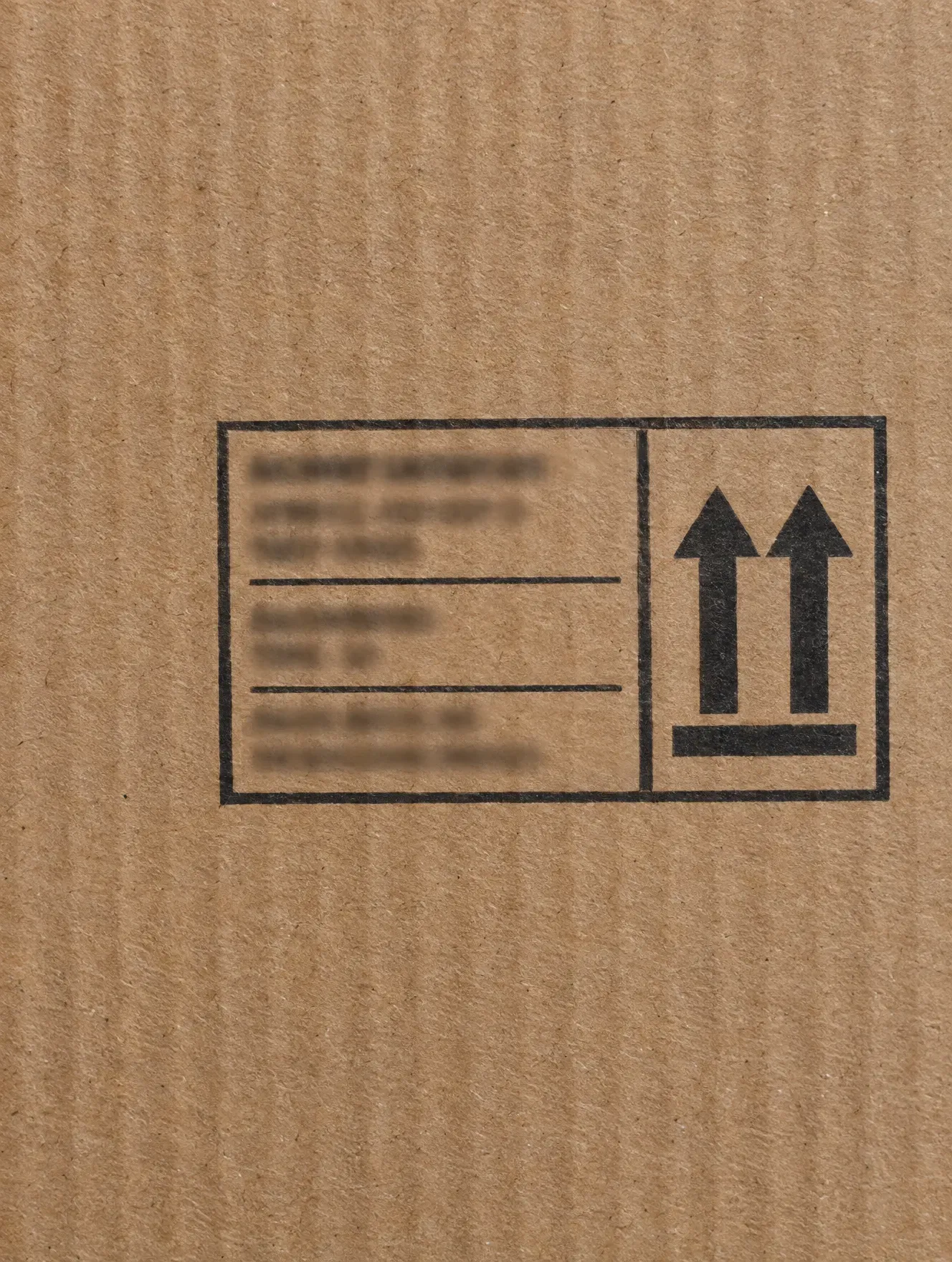
- Packaging and carton marks, including your UK importer details and any labels Amazon or your 3PL needs.
- Tooling ownership, if you are paying for moulds.
Then inspect before you pay the balance. A pre-shipment inspection checks a random sample of finished goods against your sample and specification, using AQL sampling. It is the last point where you have leverage: once the balance is paid and the goods are on a ship, a problem becomes a negotiation. Our AQL inspection guide explains sample sizes and limits, with a calculator.
Step 5: Ship it
| Mode | Typical time, China to UK | Best for |
|---|---|---|
| Sea freight (FCL or LCL) | About 30 to 45 days port to port | Most stock orders above 2 to 3 cubic metres |
| Rail through Europe | About 20 to 30 days | Medium orders that need to beat sea freight |
| Air freight | About 5 to 10 days door to door | Urgent restocks, high-value or light goods |
| Express courier | About 3 to 6 days | Samples and small orders |
Market ranges in October 2026. Since mid-2026 several carriers have moved services back through the Suez Canal, while others still sail round the Cape of Good Hope, so transit times vary by service. Check the routing when you book.
Two things keep freight costs honest:
- Accurate carton data. Freight is priced on volume (cubic metres) or weight, whichever is greater. Get the real carton dimensions and gross weights from the factory before you book, not estimates.
- Consolidation. If you buy from several suppliers, combine them into one shipment in China. One container and one customs entry cost less than three part-loads and three entries. Our shipping and logistics team does this in Shenzhen.
Insure the cargo. Carrier liability is limited, and under FOB the risk passes to you once the goods are on board in China.
Step 6: Clear UK customs
Every commercial import into Great Britain needs an import declaration on HMRC’s Customs Declaration Service (CDS). Almost every importer uses a customs broker or their freight forwarder to submit it. The carrier also files safety and security data before arrival.
Your broker will need:
- your GB EORI number (and VAT number if you have one);
- the commercial invoice, showing the price and Incoterm;
- the packing list: cartons, weights and dimensions;
- the bill of lading (sea) or air waybill (air);
- the commodity code for each product line;
- any certificates or licences your goods need.
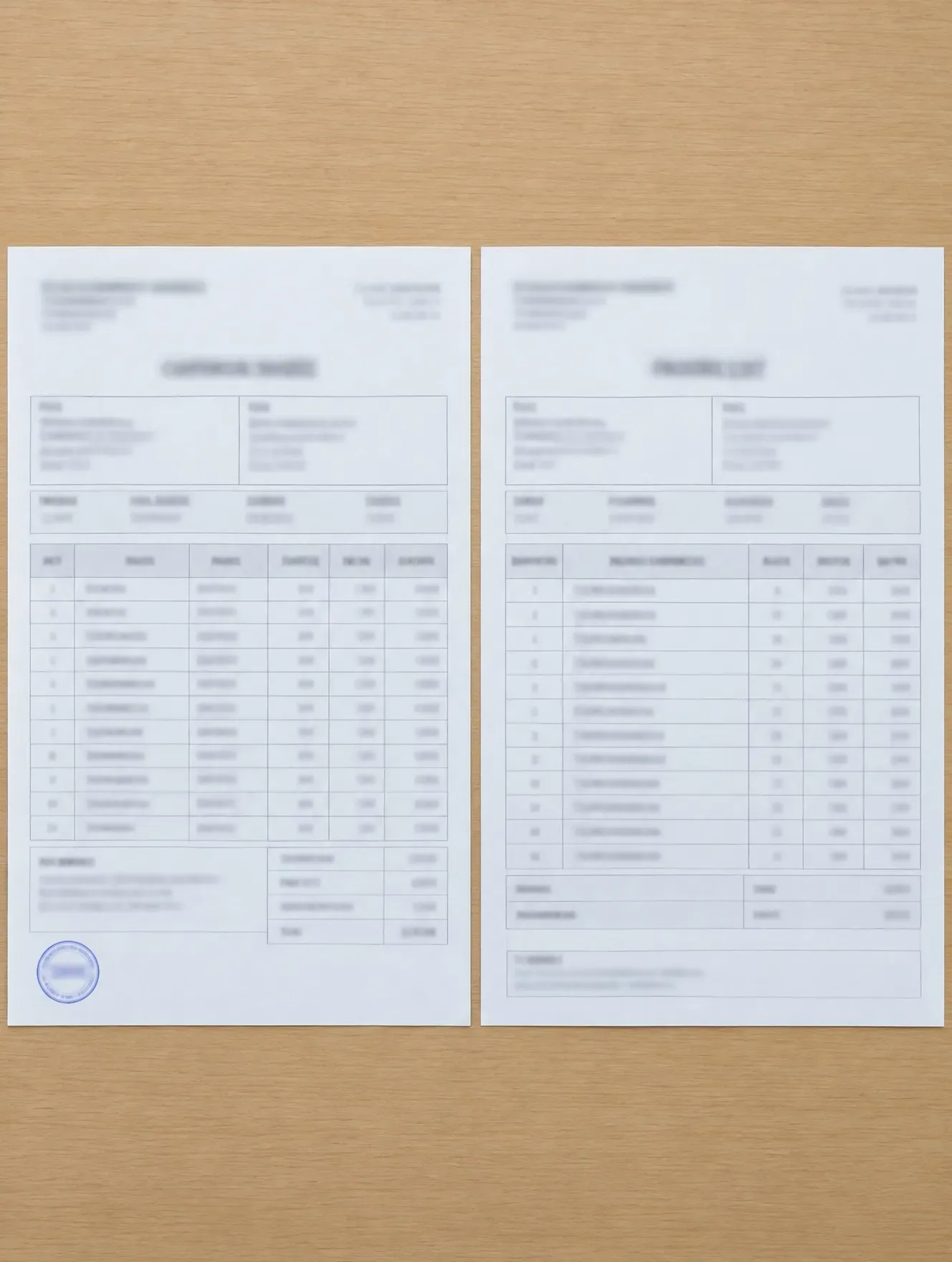
Make sure the invoice value is the real price you paid. Undervalued invoices are a common trick suggested by suppliers “to save you duty”. The importer of record carries the liability, and that is you.
Step 7: Pay duty and VAT
Customs duty is charged on the customs value. For UK imports, that is the price of the goods plus freight and insurance up to the UK border. On a FOB purchase, add the sea or air freight and insurance to the FOB price.
Import VAT is charged at 20% for most goods, on a larger figure: the customs value, plus the duty, plus delivery costs to the first destination in the UK, such as your warehouse or 3PL.
If you are VAT registered, use postponed VAT accounting. You declare the import VAT on your VAT return and reclaim it on the same return, so no VAT is paid at the border. HMRC shows the amounts on a Monthly Postponed Import VAT Statement in your CDS account. You don’t need approval to use it; your broker selects it on the declaration.
If you don’t use postponed accounting, you pay the VAT at clearance and reclaim it later using the C79 certificate HMRC issues.
Our guide to UK import duty and VAT works through the calculation in detail.
Regular importers often set up a duty deferment account, which lets you pay duty once a month instead of on every shipment. It needs a bank guarantee unless you qualify for a waiver.
What it really costs: a worked example
Here is 1,000 cotton T-shirts bought FOB Shenzhen at £3.50 each, shipped by sea in a shared container to a warehouse in the Midlands.
| Goods, FOB Shenzhen | £3,500 |
|---|---|
| Sea freight and insurance to the UK borderIllustrative LCL rate | £450 |
| Import duty at 12%12% of £3,950 customs value | £474 |
| UK port, clearance and delivery to warehouseIllustrative | £350 |
| Landed cost | £4,774 |
| Per unit (1,000 units) | £4.77 |
Freight and UK charges are illustrative and change with the market; the duty is calculated as HMRC does. Import VAT of £954.80 (20% of £4,774) comes on top. A VAT-registered business reclaims it, so it is shown separately.
Two lessons from the numbers. Duty is charged on the freight as well as the goods, so a cheaper freight quote also cuts your duty. And the duty rate matters more than most people expect: the same order of headphones would pay £0 duty instead of £474.
Selling parcels worth £135 or less
Different rules apply if you sell direct to UK consumers and ship each order from China as its own parcel:
- For consignments of £135 or less, there is currently no customs duty. Instead of import VAT at the border, the seller or online marketplace charges UK VAT at the point of sale and pays it to HMRC.
- The government has confirmed this duty relief will end by October 2028 at the latest. Sellers, or the marketplaces they sell through, will account for customs duty on these parcels, and overseas sellers will need a UK-based fiscal representative. Import VAT on these goods isn’t changing.
If your business model depends on duty-free parcels, plan for that cost now.
Northern Ireland is different
Under the Windsor Framework, Northern Ireland follows many EU rules for goods. You may need an XI EORI number as well as a GB one, CE marking is required (UKCA alone is not enough), and the EU’s General Product Safety Regulation applies. If you sell into Northern Ireland, check the GOV.UK guidance for moving goods there before you plan stock.
Mistakes that cost UK importers money
- Choosing a supplier before checking the duty rate. A 12% product and a 0% product can look the same on Alibaba and land very differently.
- Accepting an undervalued invoice. The saving is small and the liability is yours.
- Paying the balance before inspection. Your leverage ends when the money leaves.
- Guessing carton sizes. The freight bill will use the real ones.
- Forgetting your own label. No UK importer name and address on the pack means the product isn’t compliant, however good it is.
The bottom line
Do the paperwork first and the logistics second. Get your EORI, confirm the commodity code and duty rate, and check the product rules before you commit to a factory. Agree FOB terms, tie production to a golden sample, and keep the balance until an inspection passes. Then ship with accurate carton data, let a broker clear it, and use postponed VAT accounting so import VAT never ties up your cash.
If you would rather have a team on the ground in China handling the factory side, send us a brief and we will tell you what your product will cost to land.
Questions we get asked
Do I need an EORI number to import from China to the UK?
Yes, if you import goods for your business into Great Britain you need a GB EORI number. You apply on GOV.UK and usually get it straight away. If HMRC needs to make checks it can take up to 5 working days, so apply before your goods ship.
How much is import duty from China to the UK?
It depends on the commodity code. Rates on the UK Global Tariff range from 0% for many electronics and wooden furniture to 12% for clothing and some ceramics. Duty is charged on the value of the goods plus freight and insurance to the UK border. Some Chinese goods also carry anti-dumping duty, which the commodity code page on the UK Trade Tariff shows.
Do I pay VAT on goods imported from China?
Yes. Import VAT is usually 20%, charged on the customs value plus duty plus delivery costs to the first destination in the UK. If you are VAT registered you can use postponed VAT accounting to declare and reclaim it on the same VAT return, so you don't pay it at the border.
Can I import from China without a company?
Sole traders can import, but they still need a GB EORI number, and they carry the same importer responsibilities for duty, VAT and product safety as a limited company. Most sellers set up a limited company and register for VAT before their first commercial shipment.
How long does shipping from China to the UK take?
In October 2026, sea freight is quoted at about 30 to 45 days port to port, with the upper end on services that still sail round the Cape of Good Hope. Rail through Europe takes roughly 20 to 30 days, air freight about a week door to door, and express courier 3 to 6 days. Add time for customs and delivery inland.
What happens to the £135 low-value rule?
Today, consignments worth £135 or less are relieved from customs duty, and the seller or marketplace charges VAT at the point of sale. The government has confirmed the duty relief will end by October 2028 at the latest, with sellers and marketplaces accounting for duty instead. Import VAT on these goods is not changing.