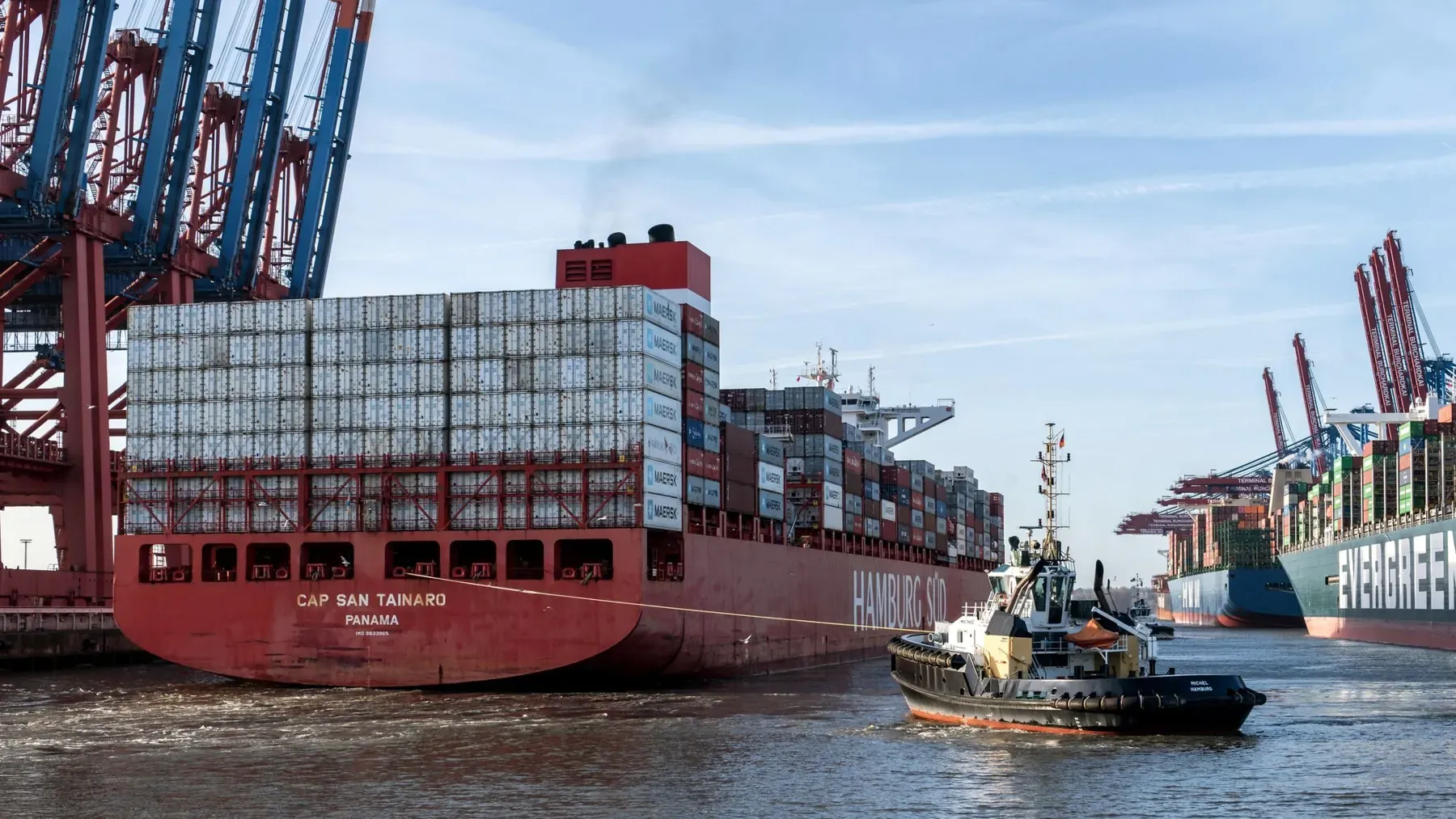

An Australian buyer sources from China like any other buyer: find the supplier, check samples, pay a deposit and inspect before shipping. Two things set Australia apart. The border system has its own identity and declaration rules, and a free trade agreement with China can cut your duty bill.
This guide covers the steps and papers. It does not print duty rates, because they depend on the tariff classification of each product. It shows you where the saving comes from and what the factory must supply. For the steps before shipping, read how to source products from China.
Who can import
The Australian Border Force (ABF) identifies importers by an ABN. An importer without an ABN uses a Customs Client Identification Number (CCID).
An import declaration is a statement made by the owner of the goods or by their agent, a licensed customs broker. The ABF encourages first-time and infrequent importers to use a licensed broker. Declarations go through the ABF’s Integrated Cargo System. An importer who lodges its own needs to register for access and covers its own costs. Most small importers let a broker do it.
What you pay
The ABF says that imported goods valued over A$1,000, and goods such as tobacco, tobacco products and alcohol, are subject to customs duty and other taxes and charges. Four things make up your bill:
- Customs duty. The rate depends on the tariff classification of the goods and their origin.
- GST. Australia’s goods and services tax is 10%. On imports it is worked out on the value of the taxable importation, which includes the customs value, duty, and freight and insurance to Australia. Your broker confirms the figure.
- Import processing charge. Goods over the threshold pay this charge. The ABF sets the amount on its charges page.
- Broker and port charges. Agree these before you order.
A business registered for GST can usually claim GST paid on imports as an input tax credit. Ask your accountant how it applies to you.
The ChAFTA saving
The China-Australia Free Trade Agreement (ChAFTA) lets eligible goods of Chinese origin enter Australia at a lower duty than the general rate. DFAT’s guide sets out the steps for importers:
- The goods must meet the agreement’s rules of origin. Chinese-made does not always mean Chinese origin under the rules, for example when parts come from other countries.
- The claim needs a certificate of origin or a declaration of origin. The certificate comes from an authorised body in China, and the factory is the one who applies for it.
- The importer makes the claim. DFAT says an importer can claim preferential treatment after importation if no claim was made at the time. Refund time limits apply, so do not leave it.
So the saving starts with your order. Ask the factory in the quote stage: “Can you supply a ChAFTA certificate of origin for this product?” Write it into the purchase order. Our first-deposit checklist lists the other terms to agree before you pay.
Before you order
- Get your identity
Use your ABN, or a CCID if you have none. Choose a licensed customs broker and agree the fee.
- Classify the product
Agree the tariff classification with your broker before you order. Ask the factory for a product description that matches it.
- Check the ChAFTA saving
Ask your broker whether the product gains from ChAFTA. If it does, ask the factory for the certificate or declaration of origin.
- Work out landed cost
Add freight, duty, GST and charges to the factory price. Do this at three quantities.
- Agree the Incoterm and port
FOB with a named Chinese port is the usual base. Our Incoterms guide explains why.
- Check other rules
Some goods need a permit or extra checks before release. Ask your broker whether your product does.
How CFS helps
We find and check the factory, manage samples and production, ask for the origin papers early and inspect before shipping. We arrange shipping from Shenzhen through our group business, ParcelFromChina. See product sourcing, quality control and shipping and consolidation. An Australian customs broker handles the declaration and confirms duty and GST.
Bottom line
An Australian import needs an ABN or CCID, a declaration by you or a licensed broker, and a clear picture of duty, GST and charges. For Chinese-made goods, ask early about ChAFTA: the saving depends on papers that only the factory side can supply.
Checked against ABF and DFAT guidance on 13 November 2026. This guide is general information, not legal or customs advice. A licensed customs broker confirms the rules for your shipment.
Questions we get asked
Who makes the import declaration in Australia?
The Australian Border Force says an import declaration is a statement made by the importer, who is the owner of the goods, or by their agent, a licensed customs broker. It encourages first-time and infrequent importers to use a licensed broker.
Do I need an ABN to import?
The ABF identifies importers by ABN. An importer without an ABN can use a Customs Client Identification Number (CCID).
Do goods under A$1,000 pay duty and GST at the border?
Generally not. The ABF says imported goods valued over A$1,000, and some goods such as tobacco, tobacco products and alcohol, are subject to duty and other taxes and charges. Goods at or under A$1,000 follow a simpler clearance route.
Can I pay less duty on goods made in China?
Possibly. Under the China-Australia Free Trade Agreement (ChAFTA), eligible Chinese-origin goods can claim a preferential tariff. DFAT says the claim needs a certificate of origin or a declaration of origin. Ask the factory early, because the evidence comes from the exporter's side.