
A deposit is the point where a supplier problem becomes your problem. Before it, you can walk away for free. After it, you are negotiating with your money already in China.
Use this list before you pay the first deposit. If you answer no to any check, pause the payment until you can answer yes. Print the page, or download the checklist as a PDF.
The checklist at a glance
- The supplier has its own website, a street address and a named port
- The licence, the registry record and the quote match, and the scope covers making your product
- You, an agent or an auditor has seen the production floor
- The quote names an Incoterm and a port, and you hold a freight estimate
- Landed cost is worked out at three quantities and the margin holds at the worst case
- There is a written spec, a signed sample, a defect list and agreed label text
- The purchase order covers spec changes, late delivery and a failed inspection, and the supplier has signed it
- The invoice matches the purchase order, and the bank account holder matches the supplier
- An agreement drafted for China is in place before you send drawings
- The balance is held back until inspection passes, and a backup supplier is shortlisted
1. Can you find the supplier outside the marketplace?
The check: Does the supplier have its own website, a street address and a nearest port?
Good looks like: The website, the business licence and the quote show the same company name and city. You can find the factory on a map.
Red flag: The only trace is a marketplace listing, or the address changes between documents.
Read next: How to verify a Chinese supplier
2. Is the business real, and does it make your product?
The check: Does the business licence name the company that makes your product, and is that company active in the registry?
Good looks like: The Chinese company name and the 18-character credit code match across the licence, the registry record and the quote. The business scope covers production of your kind of product.
Red flag: The scope lists only sales, or import and export. The registry shows the company on the abnormal operations list.
Read next: Factory or trading company?
3. Has anyone seen the factory?
The check: Has someone you trust seen the production floor?
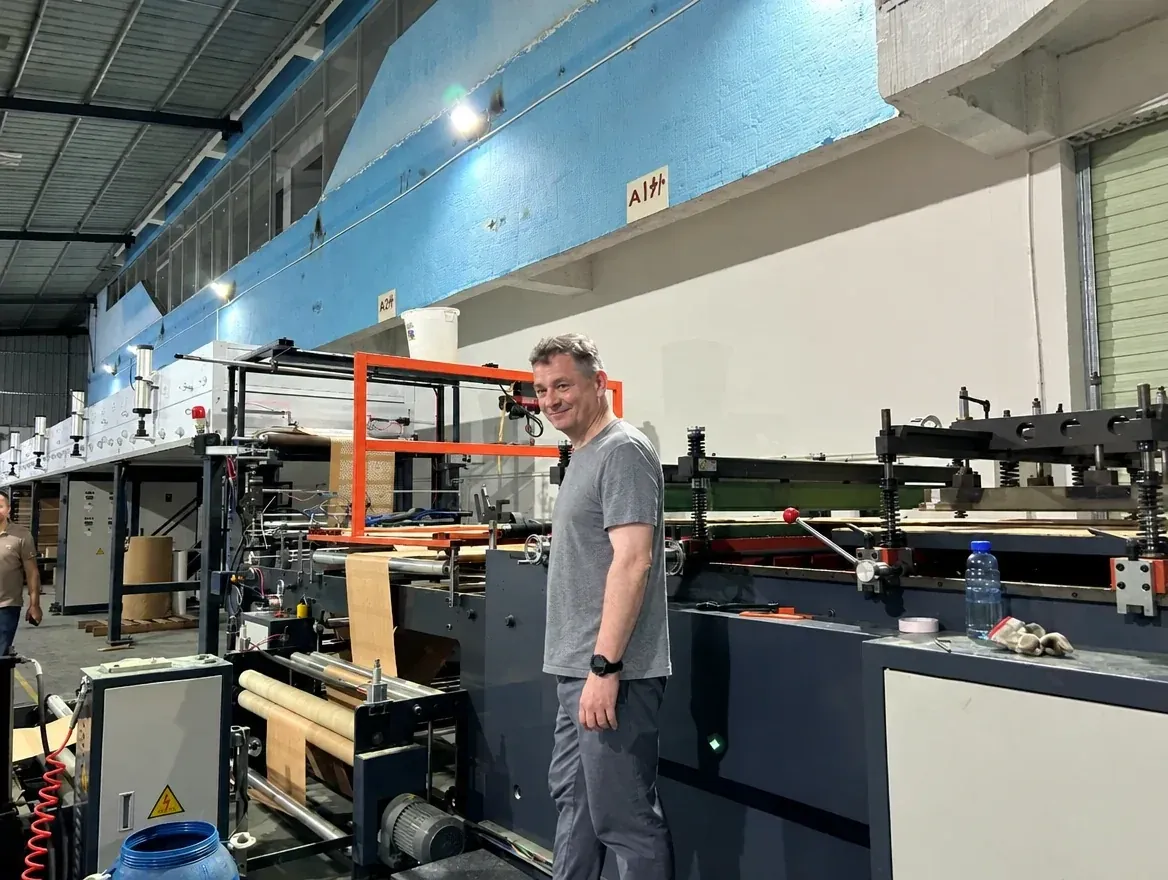
Good looks like: A visit, a live video walk-through or a third-party audit shows machines, staff and your kind of product in production.
Red flag: The supplier refuses visits, or shows only an office or a showroom.
Read next: Supplier verification service
4. Do you know what the price includes?
The check: Do you know exactly what the price covers, and who arranges and pays for delivery?
Good looks like: The quote names an Incoterm such as FOB, plus the port. You hold a freight estimate for sea and for air.
Red flag: An all-in or delivered price with no Incoterm named.
Read next: Incoterms explained
5. Does the order still pay at three quantities?
The check: Does the order still make a profit at your lowest quantity and in your worst case?
Good looks like: A sheet covers three quantities and includes product cost, freight, duty, import VAT, broker fees and delivery. The margin stays positive in the worst case.
Red flag: The margin is worked out on the factory price alone.
Read next: UK import duty and VAT
6. Is the product written down, signed off and defined?
The check: Is there a written spec, a signed sample and a defect list the inspector can use?
Good looks like: The spec gives sizes, materials, colours and tolerances. Both sides hold the same signed sample. The defect list sorts problems into critical, major and minor, and draws on what buyers complain about in one to three star reviews of rival products. Label text is agreed, including the EU responsible person if you sell in the EU.
Red flag: “High quality” is the only description.
Read next: AQL inspection explained and GPSR for products from China
7. Does the purchase order protect you?
The check: Does the purchase order say what happens if the spec changes, the goods are late or the inspection fails?
Good looks like: The PO states the spec, the ready date, a remedy for late delivery, the result of a failed inspection and a refund of the deposit if the spec is not met. The supplier acknowledges it in writing.
Red flag: The supplier will not sign or return the PO, and everything is agreed in a chat.
Read next: Quality control service
8. Does the proforma invoice match?
The check: Does the proforma invoice match the purchase order and the supplier you checked?
Good looks like: The company name on the invoice, in the emails and on the bank account is identical. The PO number, Incoterm, ready date and payment terms match your PO.
Red flag: The bank account belongs to a person or to another company, or the bank details change just before payment.
Read next: How to source products from China
9. Is your design protected before you share it?
The check: Would a copy of your design or tooling hurt you?
Good looks like: Before you send drawings, sign a non-disclosure, non-use and non-circumvention (NNN) agreement drafted for China. Practitioners advise Chinese law, a named Chinese court and the Chinese text as the controlling version. Ask a lawyer in China to draft or review it. Agree tooling ownership in writing.
Red flag: A standard foreign NDA, or nothing, for a product you designed.
10. What happens if it goes wrong?
The check: If this supplier fails, what do you do, and who else can make the product?
Good looks like: You hold the balance until the inspection report is in your hands. A second supplier is shortlisted with a quote. You know how a dispute over the deposit would run.
Red flag: The full payment goes out before production starts, and you have one supplier only.
Read next: How to choose a sourcing agent
What if you cannot tick every box?
Then you have found the gap before it cost you money. Some checks need a person in China: a factory visit, a registry search in Chinese, a read of the proforma invoice. Our supplier verification service does those checks and sends you a report. If you would rather have us run the whole first order, send us the brief and we will tell you which of these ten checks matter most for your product.
This checklist is general information, not legal advice. Take advice from a lawyer in China on agreements, and check duty and VAT rates against the UK Trade Tariff. Our guide to sourcing products from China explains the steps around these checks.
Questions we get asked
Is a 30% deposit normal when ordering from China?
A 30% deposit with the balance paid before shipment, or against a copy of the bill of lading, is the most common structure. Terms vary by factory and order size, and some factories ask for more upfront on small orders. Tie the balance to a passed inspection where the supplier agrees.
Which bank account should I pay?
A company account in the exact Chinese company name on the business licence. Treat a personal account, a different company or a mid-order change of bank details as a reason to stop and check.
Do I need an NNN agreement for my first order?
If a copy of your design would hurt you, yes. Practitioners say a standard foreign NDA does little in China and that an NNN agreement drafted for China works better. Have a lawyer in China draft or review it.