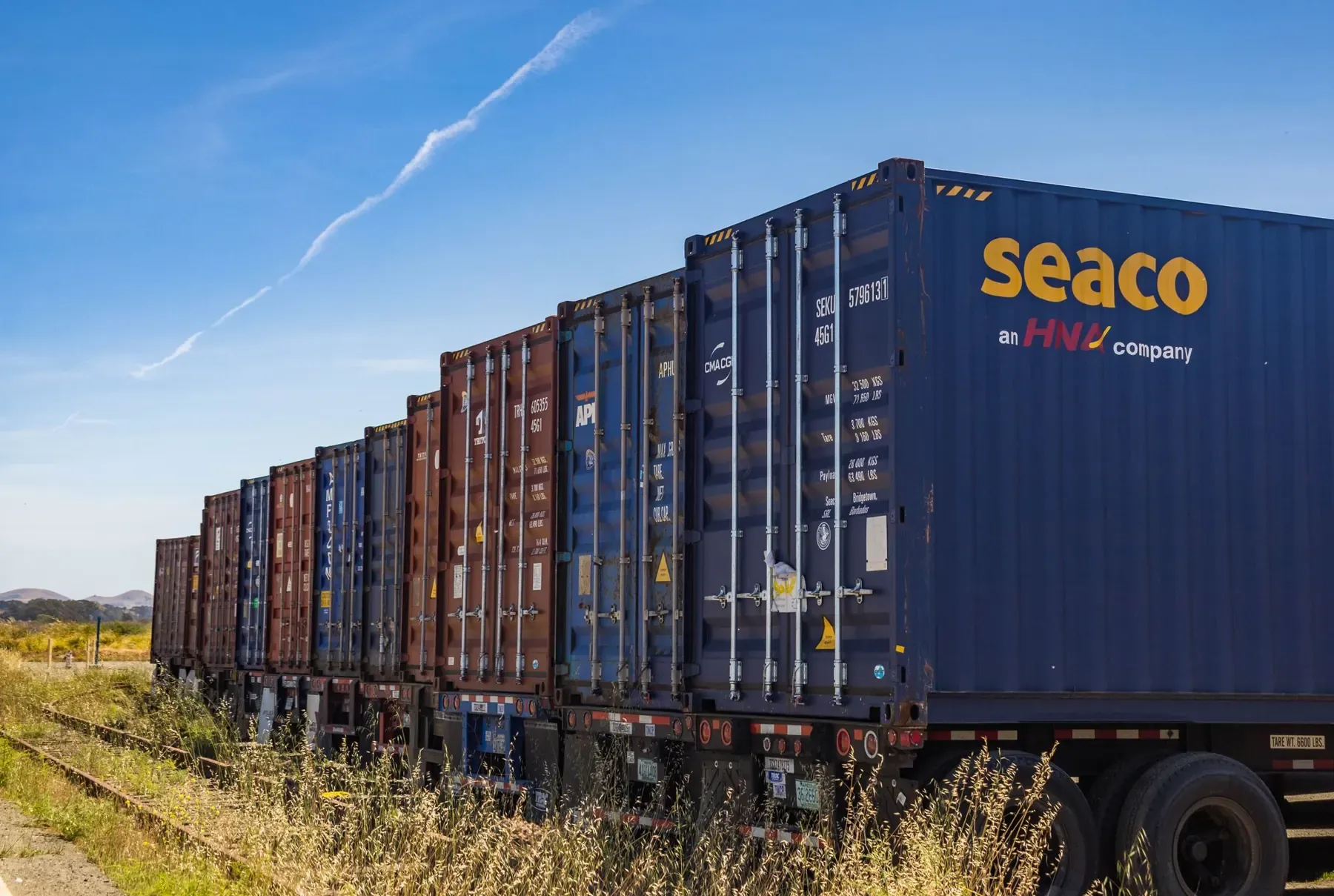

A Canadian buyer can source from a Chinese factory the same way as any other buyer: find the supplier, check samples, pay a deposit and inspect before shipping. The Canadian part starts when the goods reach the border. The Canada Border Services Agency (CBSA) runs the import system, and since the move to its CARM system, registration is the first step.
This guide covers the steps and papers for a Canadian business. It does not list duty rates, because they depend on the product and change. It shows you where to check them. For the steps before shipping, read how to source products from China.
The CBSA steps in order
The CBSA publishes a step-by-step guide for commercial imports. In short:
- Decide if your business is importing goods into Canada.
- Check that the goods can legally enter Canada and collect the required information.
- Find the correct tariff classification and value for duty, so you can calculate duties and taxes.
- Register in the CBSA Assessment and Revenue Management (CARM) system.
- Identify your shipping method and port of entry.
- Make a formal declaration to have the goods released, and pay duties and taxes.
- Make corrections if you find errors, or when the CBSA makes adjustments.
Set up your business
The CBSA says you need three things to import:
- A CARM Client Portal account. This is where you register your business with the CBSA.
- A 9-digit business number (BN9). A non-resident importer first gets this from the Canada Revenue Agency, then registers in CARM.
- A 6-character import program (RM) account. The BN9 and the RM account together form your BN15.
The CBSA also says that a licensed customs broker can conduct business with it on your behalf, and that brokers charge fees you should discuss before you hire one. It recommends enrolling for Release Prior to Payment (RPP) and posting the financial security, and “strongly recommends” RPP if you use a broker. Ask your broker how the security works for your volume.
Classify, value and pay
Three declarations decide your bill:
- Classification. Each product has a tariff classification. Use the correct one.
- Origin. Goods from China are declared as Chinese origin.
- Value. Declare the value for duty accurately, in line with the legislation.
The CBSA defines compliance as classifying goods under the appropriate tariff classification, accurately declaring origin and value, and paying the duties and taxes owed. If you find an error, correct the declaration.
Goods also attract the federal goods and services tax (GST) at the border. The CBSA collects duty and taxes on behalf of the federal government. A business registered for GST/HST can usually recover GST paid at import as an input tax credit when it was the importer and uses the goods in its business. Ask your accountant how this works for you.
Canada has also applied surtaxes to some goods from China, including some steel and aluminum products. The CBSA publishes customs notices on changes. Before a large order, ask your broker to confirm that no surtax applies to your tariff code. Add duty and tax to your landed cost before you pay the deposit. Our first-deposit checklist includes landed cost at three quantities.
Keep the records
The CBSA requires importers to keep import documents for six years following the date of importation. Keep the commercial invoice, packing list, bill of lading, the supplier’s payment proof and your inspection report. The CBSA can assess monetary penalties against businesses that do not comply.
Other departments’ rules
The CBSA checks that goods meet government requirements for entry to Canada, and officials may examine shipments. Some products need permits, certificates or inspections from other departments before release. Ask your broker whether your product needs any.
Before you order
- Choose broker or self-filing
Decide who reports your goods. Agree the broker fee before the first shipment.
- Register in CARM
Get your BN9 and RM account, then register in the CARM Client Portal. Allow time before the first shipment.
- Classify the product
Agree the tariff classification with your broker before you order. Ask the factory for a product description that matches it.
- Work out landed cost
Add freight, duty, any surtax and GST to the factory price. Do this at three quantities.
- Agree the Incoterm and port
FOB with a named Chinese port is the usual base. Our Incoterms guide explains why.
- Keep the file
Store the invoice, packing list, bill of lading and inspection report for six years.
How CFS helps
We find and check the factory, manage samples and production and inspect before shipping. We arrange shipping from Shenzhen through our group business, ParcelFromChina. See product sourcing, quality control and shipping and consolidation. A Canadian customs broker handles the CBSA declaration and confirms duty and tax.
Bottom line
A Canadian import needs a business number, an RM account, a CARM account or a broker, a correct tariff classification and six years of records. Settle the broker and the classification before you pay a deposit.
Checked against the CBSA guide pages (set-up page modified 17 September 2026) on 13 November 2026. This guide is general information, not legal or customs advice. A licensed customs broker confirms the rules for your shipment.
Questions we get asked
What do I need to import from China into Canada?
A 9-digit business number (BN9), a 6-character import program (RM) account and an account in the CBSA's CARM Client Portal. Together the BN9 and RM account form your BN15. A licensed customs broker can do this work on your behalf.
Can a business outside Canada import into Canada?
A non-resident importer must first get a business number from the Canada Revenue Agency. After that it registers in CARM and enrols in the importer program.
Do I need a customs broker?
No, but the CBSA says a licensed customs broker can conduct business with it on your behalf, and brokers charge fees you should agree before you hire them. The CBSA also recommends enrolling in Release Prior to Payment if you use a broker.
How long must I keep import records?
Six years after the date of importation, according to the CBSA. The CBSA can use its Administrative Monetary Penalty System against businesses that do not comply.